
Top 10 China Sourcing Mistakes (And How to Avoid Them) — 2026 Insider Guide
I've been sourcing from China since 2009. Fourteen spring Canton Fairs, fourteen autumn ones. I've watched buyers walk in confident and walk out broke.
The mistakes don't change much. The prices do. The tariffs do. The shipping rates do. But the core errors — the ones that sink first-time importers and seasoned buyers alike — they're the same year after year.
Here are the ten China sourcing mistakes I see most often. And how to avoid every single one of them.
1. Chasing the Lowest Price
A client from Texas called me last year. He'd found a supplier on Alibaba quoting $2.80 per unit for Bluetooth earbuds. Everyone else was at $4.50. He thought he'd hit the jackpot.
He hadn't.
The first shipment arrived with 40% dead batteries. The plastic casing cracked at 50°F. The "IPX5 waterproof rating" was a sticker, not a certification. He spent $12,000 on return shipping and lost his Amazon Best Seller rank.
The cheapest supplier almost never is.
Chinese factories quote low for three reasons: they plan to cut corners, they're a middleman who'll source from an unknown workshop, or they made a genuine mistake in their quote. None of these end well for you.
What to do instead: Calculate total landed cost, not unit price. Include inspection fees, potential rework, shipping, tariffs (currently 30% on many consumer goods), and the cost of customer returns. A $4.50 unit with a $0.50 inspection fee is cheaper than a $2.80 unit that fails.
2. Skipping Factory Audits
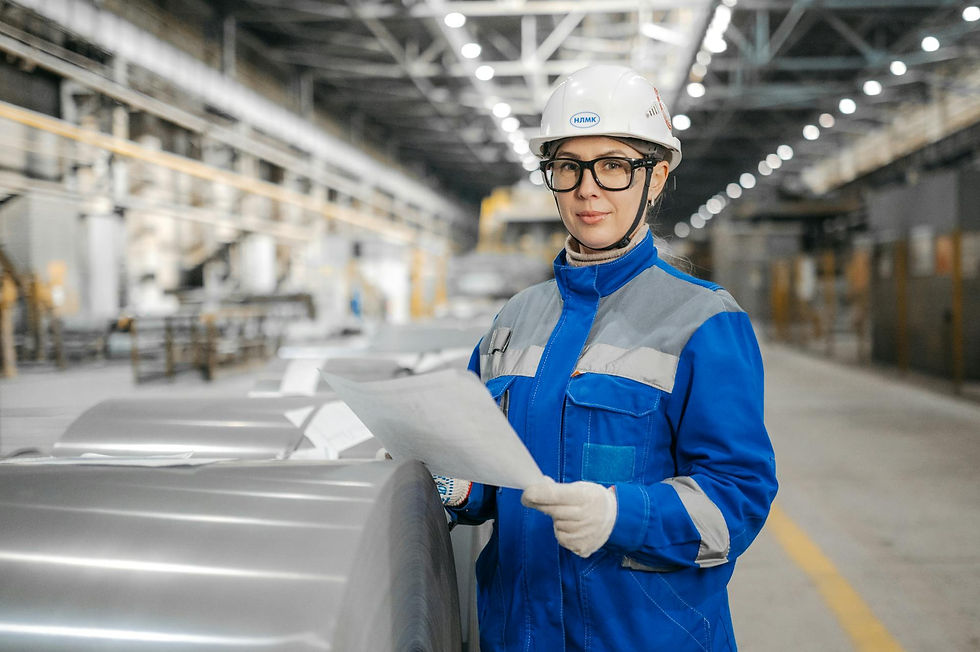
I walked into a "factory" in Bao'an district last Spring. The Alibaba listing showed a 10,000-square-meter facility with ISO 9001 certification. What I found was a two-room workshop with three sewing machines and a cat sleeping on a bolt of fabric.
The certification was photoshopped. The "factory photos" were from a different company's website.
The QIMA 2024 report found that 41% of factories inspected in China failed quality or compliance checks. Almost half.
You don't need to fly to China for every audit. Use third-party inspection companies. Send someone local. Or work with a sourcing agent who has boots on the ground in Shenzhen, Guangzhou, or Yiwu.
Pro tip: Ask for a real-time video call showing the production floor, the inventory, and the shipping area. If they hesitate, that's your answer.
3. Relying on Alibaba Listings Alone
Alibaba processes over $50 billion in transactions annually. It's a useful tool. But it's also full of ghosts.
Ghost factories — companies that don't actually manufacture anything. Ghost middlemen — traders who pose as manufacturers and add a 30% margin. Ghost certifications — fake ISO reports are so common that some Chinese agencies offer "ISO verification for Alibaba" as a side service.
I had a client who spent three months negotiating with a "factory" for custom packaging. The "factory" turned out to be a trading company operating out of a WeChat group. They'd never produced a single box.
Use Alibaba as a starting point, not a conclusion
Cross-reference with industry directories like Global Sources
Check Chinese business registration via Qichacha or Tianyancha
Always request a physical sample before committing to production
4. Ignoring Intellectual Property Protection
Here's a story I don't tell most clients, but I'll tell you.
A brand owner in California designed a brilliant travel mug with a self-heating base. He worked with a factory in Yiwu. The factory produced his first 5,000 units. Quality was good. He launched on Amazon and hit $200K in the first month.
Three weeks later, identical mugs appeared on Taobao for half the price. The factory had kept the mold. They sold his design to five other "brands."
He never registered his design with CNIPA. By the time he tried, the factory had already filed their own version of his patent.
Register your IP in China through CNIPA before production
Your home-country trademark means nothing in a Chinese court
Include mold ownership clauses in every contract
Never send complete product specs until you've signed an NDA
5. Writing Weak Contracts
I've seen contracts written on WeChat. I've seen purchase orders that say "ship soon" with no delivery date. I've seen agreements where "quality standard" is defined as "as per seller's description" — which means whatever the seller decides.
A UK startup lost £35,000 because their contract didn't specify material grades. The factory used recycled plastic instead of food-grade ABS. The contract said "plastic" — and plastic it was.
Every sourcing contract must include:
Detailed product specifications with measurement tolerances
Material grades and certifications required
Production milestones with penalty clauses for delays
Quality inspection criteria (AQL levels, inspection agency)
Mold ownership and IP rights clauses
Payment terms tied to inspection results
Governing law — Chinese law, enforced in Chinese courts
Have a bilingual lawyer review every contract. The Chinese version is the legally binding one.
6. Misunderstanding Incoterms
"Do I need to pay for shipping?" — I get this question every week.
A first-time importer from Canada agreed to an EXW price of $8,000. He thought that included shipping to Toronto. When the factory told him his goods were ready and he needed to arrange a truck, he panicked. The final cost to get his container from Shenzhen to Toronto: $6,200. His margin disappeared overnight.
Know your Incoterms before you negotiate:
EXW (Ex Works) — You pay everything from the factory door. Truck, customs, ocean freight, destination fees
FOB (Free on Board) — Factory handles export and loading onto the ship. You pay ocean freight and everything after
CIF (Cost, Insurance, Freight) — Supplier handles shipping to your port. You pay customs and inland delivery
DDP (Delivered Duty Paid) — Supplier pays everything including your import duties. Most expensive, but zero surprises
FOB is the standard for most China sourcing. Get quotes in FOB. Compare apples to apples.

7. Skipping Pre-Shipment Inspections
I have a rule: no inspection, no payment. Period.
A German buyer ignored my advice. His supplier sent photos of "finished products" neatly packed in cartons. They looked perfect. He wired the remaining 70% balance.
When the container arrived in Hamburg, half the cartons were empty. The other half contained factory seconds with visible defects. The supplier had shipped the photos from a different order.
This happens more often than you'd think.
Always hire a third-party inspection company (SGS, Bureau Veritas, QIMA, or a local agent) to check at least 10-20% of your shipment during production and before loading. The cost is usually $300-500 per inspection. The cost of one bad container is $20,000-50,000.
8. Ignoring Current Tariff and Trade Policy
China sourcing in 2026 is not the same as 2019. Or 2023.
The US maintains a 30% tariff on most Chinese imports. The de minimis exemption ($800) has been suspended since August 2025 — meaning every shipment, even small ones, now pays duty. Section 232 tariffs on steel (50%) and aluminum (50%) are still in effect.
A drop-shipper who used to send small parcels directly to customers suddenly owed thousands in duties. He hadn't updated his pricing in 18 months.
Build tariff costs into your pricing model. Use the HTS (Harmonized Tariff Schedule) to check your product's current duty rate. Factor in at least 30% for general goods, more if you're importing steel, aluminum, or electronics. Review your pricing quarterly — trade policy is shifting fast.
9. Poor Communication and Cultural Gaps
"Please send the revision soon" — the supplier thought "soon" meant "within two weeks."
"Quality should be good" — the supplier interpreted this as "the current standard is acceptable."
I once mediated a dispute where a US buyer had sent a 14-email thread to a factory manager who spoke limited English. The buyer was frustrated. The factory was confused. The order was delayed by six weeks.
Communicate like a military dispatch:
Put every specification in writing, with photos and diagrams
Use exact numbers, not vague terms: '500 units, packed 25 per carton, shipped by June 15'
Recaps after every call — confirm key points in writing
Avoid idioms, sarcasm, and cultural references
Use simple English, ask the supplier to repeat key points
10. Not Having Local Support
You can do everything right on paper and still get burned by something you can't see from 8,000 miles away.
A $50,000 shipment of electronics was sitting on the factory floor — finished, packed, ready to go — while the buyer negotiated with a freight forwarder who turned out to be unreachable. The factory needed the space. They moved the goods to an unsecured storage area. $12,000 worth of inventory was stolen over a weekend.
A local agent would have arranged the truck in two hours.
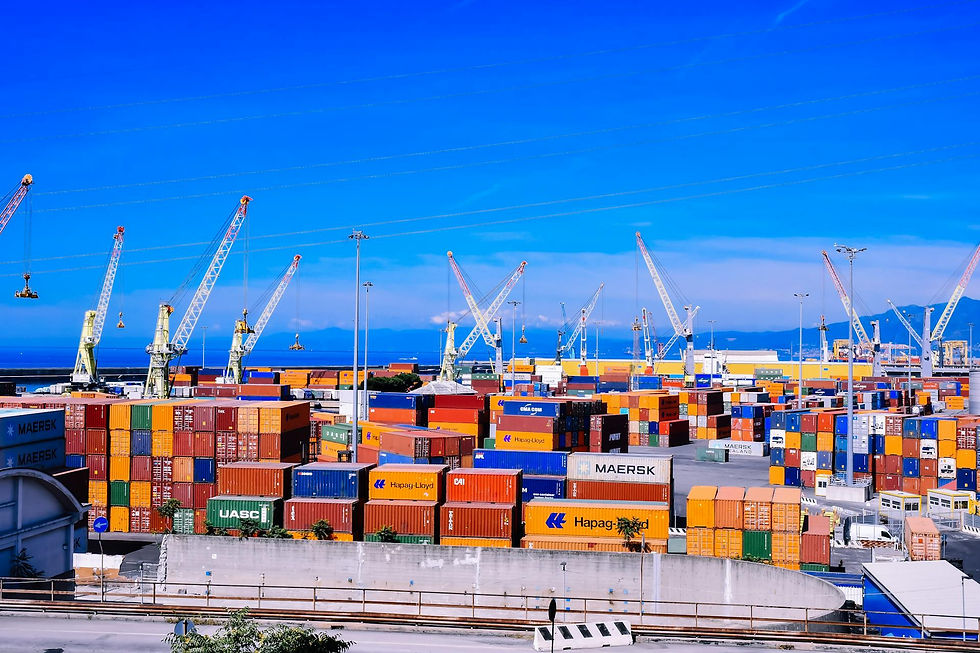
You don't need to open a China office. You need a sourcing agent who can visit factories, verify shipments, handle problems, and speak the local business language. The best $1,000 you'll spend is hiring someone in Shenzhen to be your eyes and ears.
Frequently Asked Questions
What is the most common mistake when sourcing from China?
Chasing the lowest price without verifying the supplier or calculating total landed cost. This single mistake causes more losses than all other sourcing errors combined.
How can I avoid fake suppliers on Alibaba?
Cross-reference the company name on Qichacha (Chinese business registry), request a video tour of the factory, and always order a physical sample before committing to production.
Do I need a contract when sourcing from China?
Yes. Always use a written contract with detailed specifications, AQL quality standards, delivery penalties, and mold ownership clauses. Have a bilingual lawyer review it.
Is it safe to source from China in 2026?
Yes, with proper due diligence. The risks are higher due to tariffs (30%), the suspended de minimis exemption, and ongoing trade tensions, but millions of importers still source profitably from China by working with verified suppliers and local agents.
How much does a pre-shipment inspection cost?
Typically $300 to $500 per inspection, covering 10-20% of your shipment. This is the cheapest insurance you can buy.
What's the best Incoterm for China sourcing?
FOB (Free on Board) is the standard. It clearly separates supplier responsibility — loading the ship — from buyer responsibility — ocean freight and destination.
Source Smarter with China Cart Bridge
We've been in the Shenzhen factory trenches since 2009. We handle supplier verification, quality inspections, logistics, and ongoing production management.
If you're tired of learning these lessons the hard way, let's talk. Get a free quote at chinacartbridge.com.


Comments