
Canton Fair Phase 3 2026 Preview: Smart Hardware & Middle East Buyer Trends
I've been walking the Canton Fair floors since 2009. Fourteen spring sessions, fourteen autumn sessions — I've watched Guangdong factories pivot from cheap plastic toys to AI-driven robotics. And this year's Phase 3 (May 1–5) feels different. Something's shifting.
The 139th Canton Fair wrapped its first two phases with 245,000 foreign buyers. That's a number I haven't seen since pre-COVID days. Phase 1 halls were packed — the robot and drone zones sold out months in advance. A buyer from Florida named Esteban told me, "Everything here is amazing, the pace of China's technology application is very fast." He's been coming since 2018. He's not wrong.
Phase 3 runs May 1–5 at the China Import and Export Fair Complex in Pazhou. This period covers smart home, medical equipment, textiles, and sporting goods. But two trends are dominating this session: smart hardware going mainstream and a surge of Middle Eastern buyers nobody predicted.
Smart Hardware Takes Center Stage in Phase 3
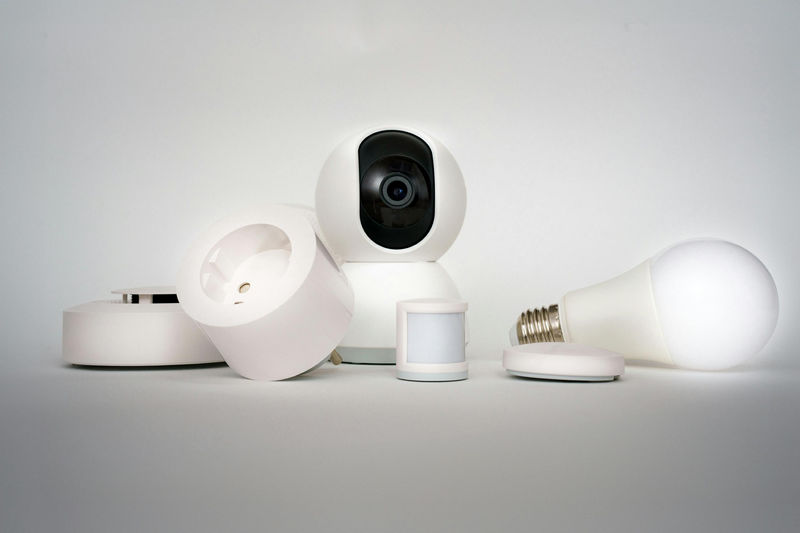
Phase 3 used to be the "soft goods" phase — textiles, garments, stationery. That's still there, but the smart life section has completely transformed. The Chinese Ministry of Commerce confirmed that smart living will feature AI glasses, VR headsets, smart wearables, and connected home systems in dedicated exhibition zones.
I visited a factory in Shenzhen last November that produces smart home hubs for European brands. Their R&D director told me they've been flooded with inquiries from Middle Eastern buyers asking for Arabic-language voice control. That's a new requirement. Two years ago, nobody was asking for Arabic UI.
One supplier I work with in Foshan — they make smart door locks — reported a 40% jump in pre-fair inquiries from Egypt and Saudi Arabia alone. They scrambled to produce demo units with Arabic packaging. The rush was real.

Middle Eastern Buyers Are Rewriting the Playbook
Here's what I'm hearing from the exhibition halls: Middle Eastern attendance at this year's Canton Fair has jumped sharply. A buyer flew 13 hours from Cairo to Guangzhou. The fair organizers invited Middle Eastern influencers to livestream tours of the exhibition halls. They set up dedicated home appliance live-streaming sessions for Arabic-speaking audiences. The response was overwhelming.
Why now? Three reasons.
China's Belt and Road infrastructure has shortened shipping routes to Middle Eastern ports. But tensions in the Red Sea mean the Cape of Good Hope detour is the standard route for many European shipments. Middle Eastern ports like Dubai and Jeddah become logical transshipment hubs. Buyers are routing goods through the Middle East to avoid longer European shipping delays.
Second, Middle Eastern economies are diversifying. Saudi Vision 2030, UAE economic reforms — these create real demand for smart home technology, energy-efficient appliances, and electric motorcycles. Products that were previously luxury imports are now mass-market items.
Third, Chinese suppliers have adapted. I saw factories in Guangdong that now offer halal-certified production lines and Arabic-language customer support. One lighting manufacturer in Zhongshan told me they hired a full-time Arabic translator in January. By March, they'd secured three new distributors in Riyadh.

What Smart Hardware Buyers Should Focus On
If you're sourcing smart hardware at Phase 3, here's what to look for:
Energy efficiency. Middle Eastern buyers specifically prioritize low-power consumption and solar compatibility. Desert climates create unique requirements. A Chinese manufacturer of smart irrigation systems told me their Middle East orders grew 300% year-over-year.
AI integration. Forrester released a report suggesting companies will defer 25% of planned AI spending from 2026 to 2027. That's enterprise AI. But consumer AI — smart glasses, voice assistants, wearable health monitors — is accelerating. The Chinese electronics supply chain moves faster than any analyst report can capture.
Customization capability. The suppliers winning big orders are the ones who offer white-label options and fast prototype turnaround. I sat in a meeting where a Saudi buyer asked for a custom smart thermostat with Arabic script on the OLED display. The supplier promised samples in 14 days. That speed is uniquely Chinese.
Practical Tips for Phase 3 Attendance
Pre-register now. Registration closes before each phase. If you're reading this after April 25, you may already be locked out. The system crashed in 2025 during peak registration. Don't wait.
Schedule early. Block days 2–3 for pre-arranged meetings. Day 1 is chaos. Day 4–5, supplier fatigue sets in and sample inventory runs thin.
Bring Arabic materials. If you're a Middle Eastern buyer, expect Chinese suppliers to have prepared Arabic brochures and possibly Arabic-speaking staff. If you're a Western buyer, ask about Middle East compatibility — your target market might shift faster than you think.
Budget for samples. Smart hardware samples cost more than textile samples. Smart door locks, VR headsets, smart speakers — these weigh more and require more logistics. Budget $500-1,000 for prototypes.
Supply Chain Realities You Need to Know
The Cape of Good Hope rerouting isn't going away soon. Shipping times to Europe have extended by 10–14 days. Smart hardware with lithium batteries faces additional restrictions. One logistics manager I know at a Guangzhou freight forwarder said they've blocked three shipments of smart speakers this month due to incomplete MSDS documentation.
For Middle Eastern routes, shipping is faster but port capacity in Jeddah and Dubai is strained. Plan for 30–45 day transit times to be safe. Air freight for urgent samples is $6-8/kg.
Customs for smart hardware is getting tighter. Smart devices with wireless capabilities (WiFi, Bluetooth, Zigbee) require certification in the destination country. Don't assume your supplier handles this. I watched a European buyer lose €15,000 in seized inventory because his smart plugs didn't have CE certification.
FAQ
Q: What dates is Canton Fair Phase 3 in 2026?
A: May 1–5, 2026, at the China Import and Export Fair Complex, Pazhou, Guangzhou.
Q: What products are featured in Phase 3?
A: Smart home electronics, AI gadgets (VR/AR glasses, smart wearables), medical equipment, textiles, sporting goods, and personal care products.
Q: How many foreign buyers attended the 139th Canton Fair?
A: The first two phases attracted 245,000 foreign buyers, with Phase 1 (electronics & industrial) seeing the highest traffic.
Q: Are there dedicated zones for smart hardware?
A: Yes. The smart life section features dedicated zones for AI-powered devices, smart home systems, VR/AR products, and connected wearable technology.
Q: Should I use a sourcing agent for smart hardware?
A: Smart hardware involves certification, battery logistics, and compliance requirements that general agents may not handle. Work with a sourcing partner who has specific experience in electronics and smart devices. China Cart Bridge can help connect you with vetted suppliers and manage the logistics.
Final Word
Phase 3 of the 139th Canton Fair isn't just about buying products. It's about reading the direction of global trade. The Middle Eastern buyer influx and smart hardware acceleration signal a realignment I haven't seen since 2018-2019 trade wars forced a massive supply chain restructuring.
If you're attending, come prepared. If you're not, start planning for the autumn session. The Chinese supply chain waits for no one.
Need help navigating Canton Fair? China Cart Bridge offers sourcing guides, supplier verification, and logistics coordination. Check our Global Sourcing Guide for more and reach out if you need boots on the ground in Guangzhou.

Comments