
How to Source Products from China for Amazon FBA: Step-by-Step Blueprint
I've been sourcing products from China for Amazon FBA sellers since 2014. In that time, I've watched more than 200 new sellers walk through our doors—some hit six figures in their first year, others burned their entire budget on bad suppliers and failed inspections.
The difference wasn't luck. It came down to whether they followed a repeatable sourcing blueprint or just winged it on Alibaba.
This guide is that blueprint. Every step comes from real transactions, real screw-ups, and real wins. If you're an Amazon seller looking to source products from China for the first time, follow these steps in order.
Step 1: Validate Your Product Idea Before Talking to Any Supplier
Most new sellers make the same mistake. They find a product on Alibaba, get excited, and start messaging suppliers before they've done any real validation.
The result? They order 500 units of a product nobody searches for, or they pick a category where Amazon's fee structure eats their entire margin.
I worked with a seller last year who'd already paid a $3,000 mold deposit for a kitchen gadget he found on Alibaba. The product looked great. He hadn't checked the Amazon category fee structure. The referral fee plus FBA fees totaled 38% of his selling price. By the time we calculated his actual landed cost, his margin was negative $1.20 per unit.
Here's what you do instead:
Use Helium 10 or Jungle Scout to verify monthly search volume is above 1,000
Check that the top 10 listings have fewer than 500 reviews each (less competition)
Calculate your break-even price: (product cost + shipping + customs duties + FBA fees) / (selling price × 0.85)
If your break-even gives you less than 30% margin, move on.
Step 2: Find Suppliers That Actually Qualify for Amazon FBA
Not every Chinese supplier can handle Amazon FBA orders. The packaging requirements alone—FNSKU barcodes,窒息警告 labels, poly bag thickness specs—trip up at least 40% of first-time suppliers I've audited.
Skip the general search on Alibaba for now. Filter by:
"Trade Assurance" only
Supplier response rate above 90%
At least 3 years on the platform
Verified manufacturer badge (not trading company)
I train our sourcing team to send a three-part RFQ to every candidate:
"Can you provide Amazon FBA-compliant packaging with FNSKU barcode labels applied?"
"What is your standard lead time for an initial order of this quantity?"
"Can you share photos from your production floor dated within the past 30 days?"
The way a supplier answers these questions tells you more than any 5-star feedback score. A supplier who sends back a generic "Yes, we can do everything" with no specifics is almost certainly a trading company without real production capability.
I once had a supplier quote 15-day lead time for custom electronics. When I asked for production floor photos, they sent stock images I reverse-image-searched to a different factory in Vietnam. We walked away. That seller would have lost $12,000.

Step 3: Negotiate Beyond Price
Most Amazon sellers negotiate only on unit price. That's a rookie move.
You negotiate on four things:
Unit price (obviously)
Payment terms (industry standard is 30% deposit, 70% before shipment—push for T/T with 30/70 split)
MOQ (minimum order quantity—if they quote 1,000 units, ask for 500 with a slightly higher unit price and a commitment to reorder)
Pre-shipment inspection terms (if they refuse to allow third-party inspection, that's a red flag)
I negotiated a deal last March where the supplier refused to lower their MOQ of 2,000 units. Instead of walking, I offered to pay 50% deposit instead of 30% in exchange for them allowing me to split the MOQ into two product variants (1,000 each). We both got what we wanted.
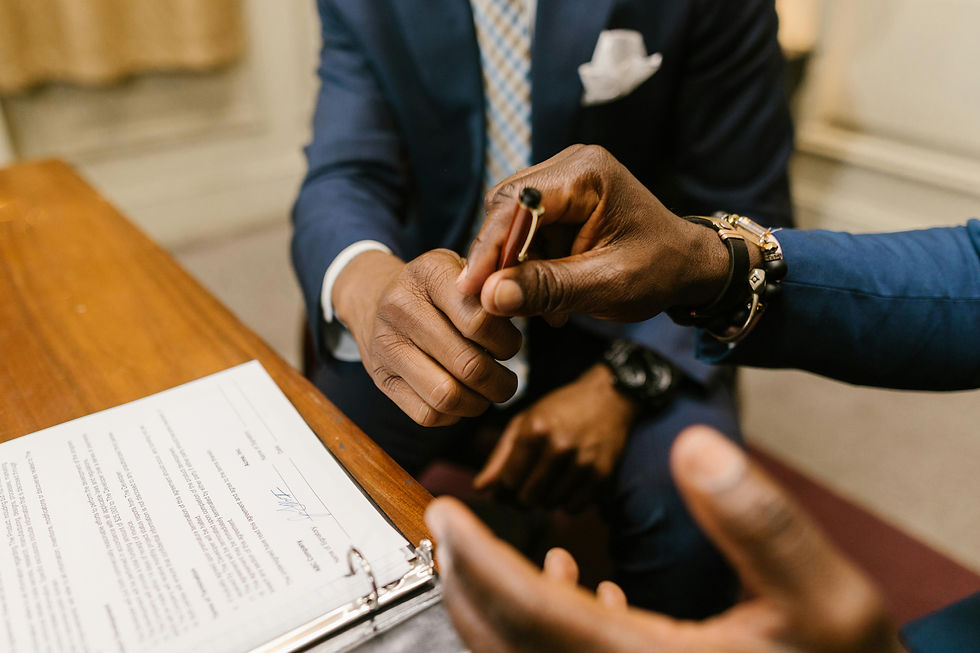
Step 4: Quality Control Is Your Insurance Policy
Skipping QC is the single most expensive mistake an Amazon FBA seller can make.
Here's what happened to a client in 2025: He ordered 3,000 units of Bluetooth earbuds from a new supplier. He skipped pre-shipment inspection to save $350. When the units arrived at Amazon, 23% had connectivity issues within two weeks. The negative reviews killed his listing. He spent $4,700 on removal orders and lost his buy box permanently.
The cost of QC: roughly $300–$500 per inspection. The cost of bad inventory at Amazon FBA: potentially your entire business.
For Amazon FBA sourcing, you need at least two QC touchpoints:
Pre-production inspection: Check raw materials and component quality before manufacturing starts
Pre-shipment inspection: Random sampling (AQL 2.5 standard) before goods leave the factory
If your supplier pushes back on QC, find another supplier. Full stop.
Step 5: Calculate Your Real Landed Cost
Most Amazon sellers underestimate their actual cost to source products from China by 20-30%. Here's what gets missed:
Freight: sea freight from China to US West Coast in May 2026 is running $2,475–$3,025 per 20GP container, up 80% from April
Duties: current effective US tariff rate on Chinese goods is ~35% (Section 301 25% + Section 122 10%)
FBA prep fees: $0.50–$2.00 per unit depending on complexity
Inspection costs: $300–$500 per visit
Bank transfer fees: $25–$50 per wire
I had a seller who thought his landed cost was $8.50 per unit. After we added everything up—including the ocean freight spike from the Red Sea diversions—his actual landed cost was $11.80. That 39% gap killed his entire pricing strategy.
Use a landed cost calculator before you place your first PO. Update it monthly. The freight market in 2026 is volatile.

Step 6: Shipping to Amazon FBA—Three Options
You have three ways to get your products from the Chinese factory to Amazon's warehouse:
Option 1: Direct to Amazon FBA (Recommended for experienced sellers)
Ship straight from the supplier to Amazon. Cheapest and fastest. You give up the ability to inspect before Amazon receives it.
Option 2: Via a prep service company (Recommended for first-time sellers)
A third-party company in China or the US checks your goods, applies FNSKU labels, repackages if needed, and ships to Amazon. Costs $0.50–$1.50 per unit but saves you from compliance rejections.
Option 3: To your home then to Amazon
You get to touch every unit. You also pay double shipping. Consider this only for small test orders under 200 units.
For most new Amazon FBA sellers sourcing from China, I recommend Option 2. It's insurance against Amazon's strict inbound requirements.
Step 7: Amazon FBA Compliance—Don't Get Rejected
Amazon rejects about 12% of inbound shipments for compliance issues. Here are the most common ones I see:
FNSKU labels not covering existing barcodes
Poly bag thickness below 1.5 mil
Expiration dates not in Amazon's required format
Missing窒息警告 labels for products with small parts
Use a prep service or have your supplier send photos of their labeled packaging before shipping. One re-route from Amazon's rejection facility costs $150–$300 in fees and lost time.
Frequently Asked Questions
How much does it cost to source a product from China for Amazon FBA?
A typical first order (500–1,000 units) costs $3,000–$8,000 including product cost, shipping, customs duties, and QC. MOQ varies by product category—electronics and custom packaging have higher MOQs than generic household goods.
Do I need to visit China to find suppliers for Amazon FBA?
No. 90% of our clients never visit China. Video calls, third-party QC inspections, and a reliable sourcing agent can replace physical visits. The suppliers who insist on meeting in person before quoting are often overpriced intermediaries.
How do I pay Chinese suppliers safely?
Use T/T (telegraphic transfer) with a 30% deposit and 70% balance before shipment. Never pay 100% upfront. Alibaba Trade Assurance adds a layer of protection but doesn't cover quality issues—only non-delivery.
What happens if the product arrives damaged at Amazon FBA?
If you shipped via a freight forwarder with cargo insurance (typically 0.3–0.5% of cargo value), file a claim with them. If goods are damaged after Amazon receives them, Amazon's reimbursement policy covers it—but you'll need proof of condition at delivery.
Can I ship directly from Alibaba to Amazon FBA?
Yes, but only if your supplier can handle Amazon FBA-compliant labeling and packaging. Most Alibaba suppliers cannot do this correctly without explicit instructions. You're better off using a prep service for your first shipment.
Your Sourcing Blueprint
Let me summarize the exact steps you should follow right now:
Validate your product with data, not gut feeling
Find 5–7 qualified suppliers through Alibaba with the filters I listed
Send the three-question RFQ to each—eliminate the ones who fail
Negotiate on four dimensions, not just price
Book pre-production and pre-shipment inspections
Calculate landed cost with current freight rates
Choose your shipping method (Option 2 for first-timers)
Verify FNSKU labeling and packaging compliance before shipment
Monitor the shipment and prepare your Amazon listing
This is the same framework we use for every new Amazon FBA client. It's not glamorous. It's not a hack. It's a repeatable process that eliminates the most common ways new sellers lose money.
If you'd like help with any part of this process—supplier vetting, QC inspections, or shipping coordination—our sourcing team handles exactly this every day. Reach out and we'll walk through your product idea together.


Clear supplier vetting, sample testing, and quality inspections make sourcing far more reliable. Pairing these steps with dependable 3rd party fulfillment can streamline inventory handling and support smoother Amazon FBA operations.