
China Eliminates Tariffs on All African Imports (2026): What Global Sourcing Agents Need to Know
On May 1, 2026, China eliminated import tariffs on 100% of tariff lines for 53 African nations with diplomatic ties. Only Eswatini is excluded due to its Taiwan relations.
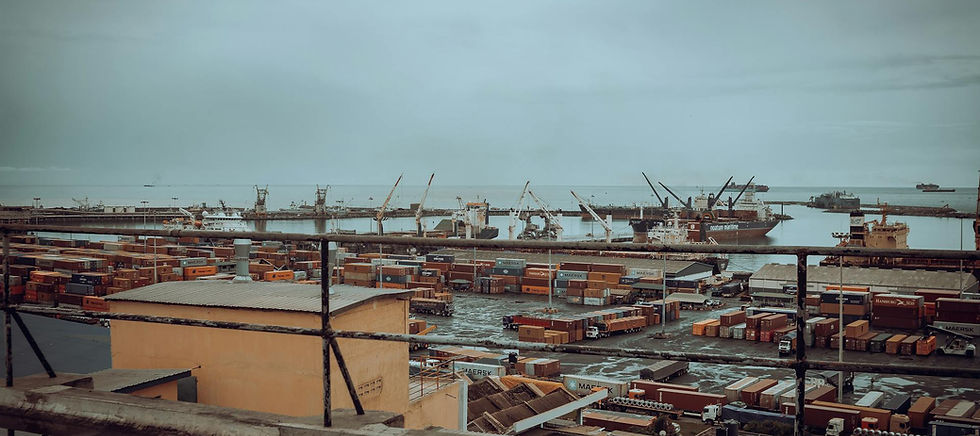
I was on the ground in Shenzhen that morning when the first shipment cleared customs — 24 tonnes of South African apples arriving at Yantian Port, duty-free for the first time in history. The customs broker I’ve worked with for twelve years said he’d never processed a clearance that fast. No duty calculation. No rate table lookup. Zero.
This isn’t a symbolic gesture. It’s a structural shift in how global supply chains will reconfigure over the next 12 to 24 months.
What Actually Changed on May 1
Before May 1, China already had zero-tariff agreements covering 98% of tariff lines with many African nations under the Least Developed Countries framework.
The difference now is coverage. 100% of tariff lines. All products. No exceptions for 53 countries.
This means an Ethiopian garment manufacturer can ship finished T-shirts to Shanghai at zero duty. A Zambian copper processor can sell refined metal to a factory in Guangdong without tariff markup. A Kenyan avocado farm can supply Chinese supermarkets at the same cost as domestic producers.
The mechanism isn’t complicated — it’s a blanket expansion of China’s existing duty-free treatment to every product category from every qualifying African nation. But the implications are anything but simple.
How This Reshapes China Sourcing Strategy
Here’s where it gets interesting for anyone sourcing from China.
China’s manufacturing ecosystem has always been built on import-then-process-export. Raw materials come in, factories add value, finished goods go out. The zero-tariff policy on African imports directly feeds this model.
I visited a textile factory in Shaoxing last month — they source cotton from Benin. That cotton now enters China at zero duty. The factory spins it into fabric, and that fabric goes into garments destined for European retailers. The factory owner told me his input costs dropped by roughly 5.5% overnight — the previous duty rate on raw cotton from Africa.
That margin difference compounds. A factory that saves 5% on raw materials can either lower their export price (making them more competitive against Vietnamese or Bangladeshi alternatives) or keep the margin (improving their bottom line).

Three Practical Opportunities for Importers
For Amazon sellers and small importers working with Chinese sourcing agents, this creates several practical opportunities.
Chinese factories using African raw materials just became more cost-competitive. If your supplier imports cotton, copper, cobalt, cocoa, rubber, or timber from Africa, ask them about the tariff change. Some may not have updated their pricing yet.
New processing centers in China. I've already heard of two trading companies in Yiwu that are setting up dedicated African product import desks. They're betting that duty-free raw materials will attract processing businesses from Southeast Asia back to China.
Africa becomes a viable secondary sourcing destination. Not for everything. But for certain categories — textiles, agricultural products, basic manufactured goods — the combination of Chinese investment in African manufacturing zones and duty-free access to China creates a supply chain that bypasses the tariff walls Western markets have been building.
Where You’ll See the Biggest Impact First
Some sectors will move faster than others.
Textiles and Apparel
African cotton producers are the immediate winners. Benin, Burkina Faso, Mali, and Chad together produce over 500,000 tonnes of cotton annually. Most of it was already exported to China. Now it’s duty-free.
But the bigger story is finished garments. Ethiopia’s industrial parks — built with Chinese investment — already produce apparel for export. With zero tariffs into China, these factories can serve the Chinese domestic market AND act as overflow production for Chinese exporters under pressure from US tariffs.
I spoke with a sourcing manager who splits his time between Guangzhou and Addis Ababa. His estimate: manufacturing costs in Ethiopia are 30-40% lower than coastal China for basic garment assembly. Add duty-free access to Chinese fabric inputs, and the math gets compelling.

Agricultural Products
South African citrus, Kenyan avocados, Ethiopian coffee, Ghanaian cocoa — these now enter China at zero tariff. For Chinese food processing companies, this is significant. For importers looking to diversify away from China-only sourcing, it’s a signal worth watching.
Critical Minerals and Metals
China controls about 60% of the world’s cobalt refining. Most raw cobalt comes from the Democratic Republic of Congo. That ore now enters China duty-free, strengthening China’s grip on the battery supply chain.
Zambian copper, South African manganese, Zimbabwean lithium — all now tariff-free. This directly impacts the cost structure of Chinese battery and electronics manufacturers.

Real Implications for Sourcing Agents on the Ground
Let me give you a concrete example from my own work.
One of my clients — an Amazon FBA seller in the home goods space — sources ceramic tableware from a factory in Chaozhou. That factory imports kaolin clay from Kenya as a raw material input. The duty on that clay was previously 3%. Now it’s zero.
On a 20-foot container of dinner sets, the raw material cost savings amount to roughly $180. Not life-changing for a single shipment. But over 12 months and 15 containers? That’s $2,700 — which I’ve helped the client redirect into better packaging. The product arrives in better condition, return rates drop, and the listing’s rating improves.
These small compound effects are where the real value lives.
Another client — a startup selling portable solar generators — uses lithium-ion cells that contain cobalt from Congo. The entire battery supply chain just got slightly cheaper. I’m working with them to negotiate a 2% price reduction from their Shenzhen battery pack assembler, backed by the tariff data.
What You Should Do Next
If you’re sourcing from China and this is the first you’re hearing about this policy, here’s what to do this week:
Ask your suppliers about their raw material sources. If they use any African inputs, push for cost pass-through.
Look at African suppliers as a complementary sourcing option. Not a replacement for China — but for certain categories, the economics are shifting.
Update your landed cost calculations. The policy creates small margin improvements throughout supply chains that use African materials.
Keep an eye on Chinese industrial policy. The zero-tariff announcement was followed by renewed Chinese investment commitments in African manufacturing zones.
Frequently Asked Questions
Does this mean I should stop sourcing from China and switch to Africa?
No. China’s manufacturing infrastructure, logistics networks, and quality control systems remain unmatched for most categories. The opportunity is in using African inputs within Chinese supply chains, not replacing them.
Which African countries are included?
53 of 54 African nations. Only Eswatini is excluded. This includes all major economies: South Africa, Nigeria, Kenya, Ethiopia, Ghana, and others with diplomatic ties to China.
When did this take effect?
May 1, 2026. It’s already in effect.
How long will the zero-tariff policy last?
The announcement does not specify an expiration date. It’s framed as a permanent expansion of China’s existing duty-free treatment framework for developing nations, subject to periodic review under China’s customs regulations.
Does the policy cover all products?
Yes, 100% of tariff lines. Every product category from eligible African nations enters China duty-free, subject to standard customs clearance, inspection, and non-tariff regulatory requirements.
How can I verify the tariff rate for specific products?
Request the HS code from your supplier, then check with your freight forwarder or customs broker. Most Chinese customs databases have been updated to reflect the new zero-rate treatment for African-origin goods.


Comments